Guides · Dade City, Florida
Why Dade City Is Where It Is
The name on the map is Dade City, but the reason it exists is a dead major and a county line. It sits where Pasco County needed a seat, and it got the name from a man who never saw the place.
The Name
The city is named for US Army Major Francis L. Dade. He was killed in the battle that opened the Second Seminole War. That is the whole of the connection. No founder, no settler, no citrus baron. A soldier who died in a conflict that defined Florida's frontier, and his name stuck to a town that would not exist for another half-century.
The post office got the name first. The Hatton post office became the Dade City post office on 18 December 1884. The town reincorporated as a city on 5 June 1889. In between, when Pasco County was created in 1887, Dade City became the seat. That is the order of things. The county needed a center, and the town was there.
The Fruit
Kumquats. The fruit grows here in quantity, and the town built its annual festival around it. That is a strange thing to build a town's identity on, because most of the country has never eaten one. A kumquat is small, oval, and sour. You eat the peel. The inside is tart enough to make you wince, but the rind is sweet. It is a citrus fruit that behaves like a berry, and it does not travel like an orange.
The Kumquat Festival happens each January in downtown Dade City. It draws tens of thousands of people. For a town of 7,570, that is a crowd. The star is kumquat pie, a Pasco County speciality, alongside kumquat jelly, butter, and the fresh fruit itself. The festival is the whole town's answer to the question of why anyone would care about a fruit most of the country has never eaten.
The Square
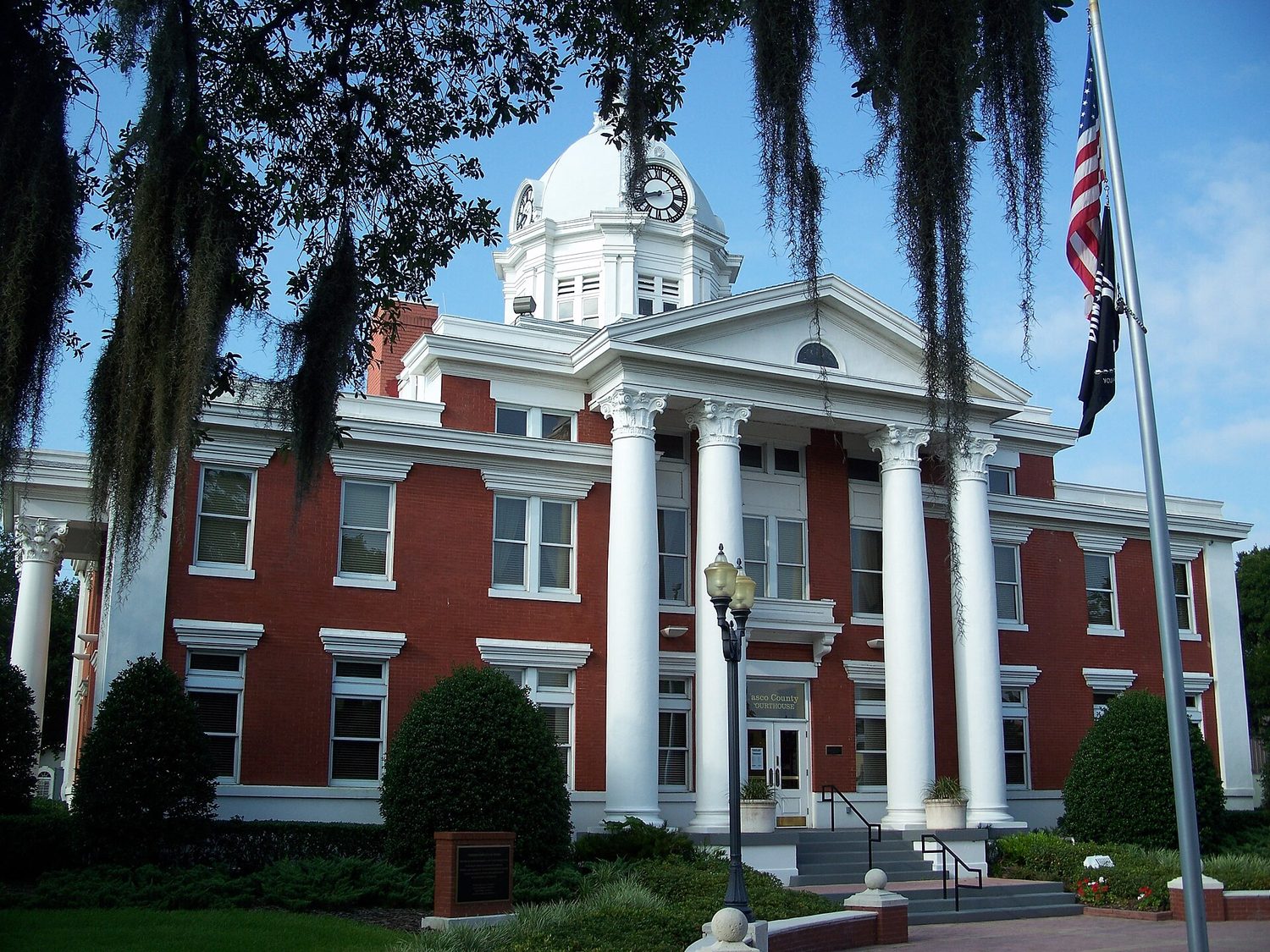
The courthouse square is the center of town. It is where the county does its business, and it is where the town gathers. The Dade City Cruise-In car show happens there. Classic cars, old trucks, people standing around talking. It is not a festival with a theme. It is a car show on a square, and it works because the square is the kind of place that can hold one.
The courthouse square is also the anchor for the festival. The Kumquat Festival fills the streets around it. The same sidewalks that hold the car show hold the pie vendors and the fruit stands. The square does double duty, and it does not seem to mind.
The Museum
The Pioneer Florida Museum opened on Labor Day 1975. It holds a 1913 locomotive, a Methodist church, a pre-Civil War house, an old school, and a train depot. That is a collection of things that do not belong together, except that they all belong to the same place. The locomotive is the kind of machine that built Florida. The church and the school are the kind of buildings that held it together. The pre-Civil War house is older than the town itself.
The museum is not a polished state institution. It is a local one, and it shows. The buildings sit on the grounds like a small village of the past. You walk from the depot to the schoolhouse and you get the sense that this is what the county looked like before the roads were paved and the citrus was planted in rows.
The Numbers
The census figures tell a plain story. The population is 7,570 people, with a median age of 42.6 years. That is an older town, not a retirement town, but a town where people stay. The median household income is 63,041 dollars. The median home value is 211,900 dollars. The median gross rent is 1,002 dollars.
There are 3,213 total housing units. Of those, 104 are held for seasonal or recreational use. That is a small number. This is not a beach town. It is not a vacation rental market. 464 units are vacant, which is a noticeable chunk of the housing stock. The unemployment rate is 8.6 percent, which is higher than the state average. 23.4 percent of residents hold a bachelor's degree or higher.
Those numbers do not describe a booming suburb. They describe a working town with a courthouse, a festival, and a museum. The housing stock is mostly year-round. The people are mostly middle-aged. The economy is not booming, but the town is not empty.
Why It Is Where It Is
Dade City is where it is because Pasco County needed a seat in 1887. The railroad came through, the post office changed its name, and the town grew around the courthouse. The kumquats came later, and the festival came later still. But the town was already there, holding the county together.
The name is a reminder of a war. The square is a reminder of the county. The museum is a reminder of the past. The festival is a reminder of the fruit that grows in the groves around town. None of it is glamorous. All of it is real.
That is the whole of it. A town named for a dead soldier, built around a courthouse, known for a fruit most of the country has never eaten. It is not a hidden gem. It is not a secret. It is just a town that knows what it is, and it is willing to put a pie on it every January.
Every business named above is one we hold a listing for, and every date traces to a source on our sources page. We do not describe menus, interiors or service we have not verified. Details change — confirm before you travel.