Guides · Dade City, Florida
Dade City by the Numbers: What the Census Says
Dade City is a town of 7,570 people, and the census numbers tell a story that is more specific—and more interesting—than the average Florida snapshot.
The Shape of the Town
The median age here is 42.6 years. That is older than the national median, but not dramatically so. This is not a retirement colony; it is a working town with a middle-aged center of gravity.
The median household income sits at $63,041. That figure is modest for Florida’s west coast, where coastal counties often skew wealthier. It suggests a place where people live, not just visit. The unemployment rate, at 8.6 percent, runs above the state average—a reminder that this is a small, inland economy without a major employer anchoring the payrolls.
Housing tells a clearer story. There are 3,213 total housing units in the city. Of those, 464 are vacant. That is a vacancy rate of roughly 14 percent, which is high for a town this size. Some of that is normal churn; some of it is the slow drag of an older housing stock.
But here is the telling number: only 104 units are held for seasonal or recreational use. That is barely three percent of all housing. In a state where coastal towns routinely see a third or more of their homes sit empty for most of the year, Dade City is the opposite. Nearly everyone who owns a house here lives in it.
The Price of Entry
The median home value is $211,900. That is affordable by Florida standards, especially compared to the metro areas an hour away. The median gross rent is $1,002 per month. Both figures put Dade City within reach for people who have been priced out of Tampa or Orlando.
The educational profile is modest. Just 23.4 percent of residents hold a bachelor’s degree or higher. That is below the national average, and it tracks with a town whose economy has historically leaned on agriculture, services, and light industry rather than white-collar offices.
None of this is glamorous. That is the point.
The Fruit That Explains Everything
You cannot understand Dade City’s numbers without understanding the kumquat. The fruit grows here in quantity, and the town built its annual festival around it. The Kumquat Festival, held each January in downtown Dade City, draws tens of thousands of people to a city of 7,570. That is a remarkable ratio—roughly four visitors for every resident.
For most of the country, the kumquat is a novelty. It is a small, oval citrus fruit, eaten whole, with a sweet rind and a sour pulp. Most Americans have never tasted one. Dade City made it the centerpiece of its civic identity anyway. That tells you something about the town’s character: it does not chase trends; it doubles down on what it has.
The festival is not a small affair. Tens of thousands of people crowd the downtown streets each January. They come for the fruit, for the pie, for the jelly and the butter. They come because the town has made an obscure citrus fruit into a reason to celebrate winter.
The Deep Roots
Dade City’s history is older than its festival. The Hatton post office became the Dade City post office on 18 December 1884. The town reincorporated as a city on 5 June 1889, and it became the seat of Pasco County when the county was created in 1887. The name honors US Army Major Francis L. Dade, who was killed in the battle that opened the Second Seminole War.
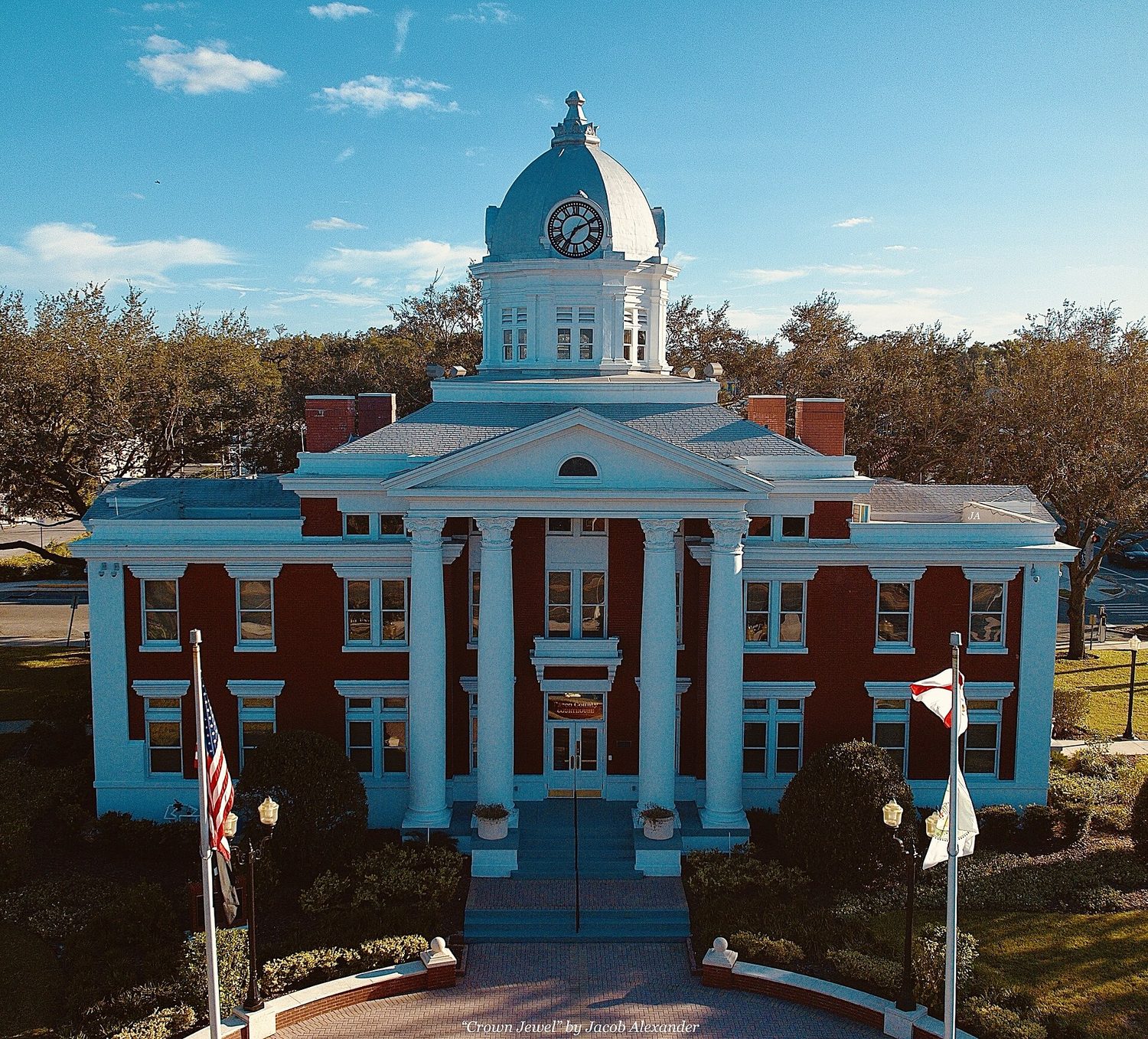
That is a lot of history for a small town. The courthouse square anchors the downtown, and it hosts the Dade City Cruise-In car show, a regular gathering that brings classic cars to the center of town. The Pioneer Florida Museum, opened on Labor Day 1975, preserves a 1913 locomotive, a Methodist church, a pre-Civil War house, an old school, and a train depot. These are not polished attractions; they are artifacts of a working past.
What the Numbers Miss
The census cannot measure the January crowd. It cannot count the people who drive an hour for a kumquat pie. It cannot capture the fact that a town of 7,570 people has built an entire festival around a fruit most of the country has never eaten.
What the numbers do show is a town that is stable, affordable, and occupied. The vacancy rate is high, but the seasonal rate is nearly nil. The incomes are modest, but the housing is within reach. The education levels are low, but the town has a civic life that draws tens of thousands of outsiders.
Dade City is not a paradise. It is not a hidden gem. It is a small Florida town that knows exactly what it is: a county seat, a citrus town, and a place where the median age is 42.6 and the median home costs $211,900. The kumquat festival is the loudest thing about it, and that is fitting. The fruit is obscure, the town is small, and neither one is trying to be anything else.
Every business named above is one we hold a listing for, and every date traces to a source on our sources page. We do not describe menus, interiors or service we have not verified. Details change — confirm before you travel.