Guides · Dade City, Florida
The History of Dade City in 6 Landmarks
Dade City's history is a matter of public record, not legend, and these six landmarks tell the story straight.
The Name Itself
The city is named for US Army Major Francis L. Dade, killed in the battle that opened the Second Seminole War. That is the whole of it. No pioneer founder, no railroad baron. A soldier who died in a conflict the town has never tried to soften. The name stuck, and so did the history.
The Post Office and the Incorporation
Before it was Dade City, it was Hatton. The Hatton post office became the Dade City post office on 18 December 1884. Five years later, on 5 June 1889, the town reincorporated as a city. In between, in 1887, Pasco County was created, and Dade City was made its seat. That is how a small town becomes a county seat: not by size, but by timing and paperwork.
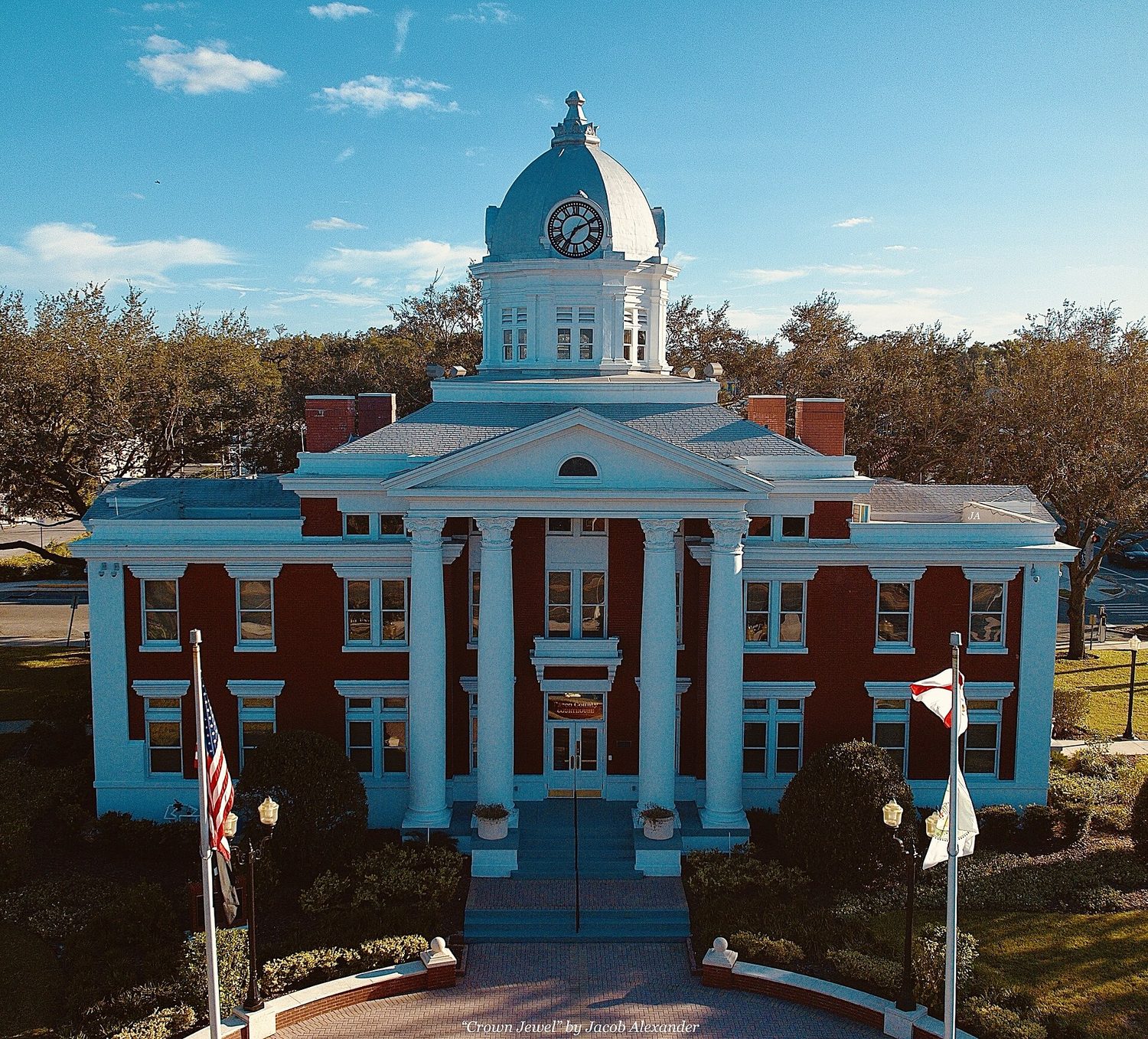
The Courthouse Square
The courthouse square is the working heart of the town. It is where the county's business gets done, and where the town gathers when it wants to show off. The square hosts the Dade City Cruise-In car show, a regular event that fills the streets with chrome and engine noise. It is not a museum piece. It is a live space, used the way it has always been used.
The Pioneer Florida Museum
On Labor Day 1975, the Pioneer Florida Museum opened its doors. The collection is blunt and honest: a 1913 locomotive, a Methodist church, a pre-Civil War house, an old school, and a train depot. These are not replicas. They are the actual structures and machines that built the region. The museum does not romanticize the past; it just keeps it standing.
The Kumquat
Here is the part outsiders never believe. The kumquat is a citrus fruit the size of a large olive, eaten whole, rind and all. Most of the country has never tasted one. Dade City grows them in quantity. The town built its annual festival around the fruit, and the festival, held each January in downtown Dade City, draws tens of thousands of people. The star is kumquat pie, a Pasco County speciality, alongside kumquat jelly, butter, and the fresh fruit itself. A whole town festival for a fruit most of the country has never eaten. That is not irony. That is identity.
The Numbers
The census figures tell a quieter story. Population is 7,570 people, with a median age of 42.6 years. There are 3,213 housing units total, and 464 of them sit vacant. Only 104 homes are held for seasonal or recreational use, which means this is not a vacation town. People live here. The median home value is $211,900, and the median gross rent is $1,002. The median household income is $63,041, and the unemployment rate is 8.6 percent. Just under a quarter of residents, 23.4 percent, hold a bachelor's degree or higher. These are not glamorous numbers. They are real ones.
What the Landmarks Add Up To
Dade City does not need a sales pitch. It has a courthouse square that still functions, a museum that preserves the machinery of daily life, and a festival built around a fruit that most Americans cannot name. The history is not hidden. It is posted on the post office, carved into the county records, and parked on the square every time the Cruise-In rolls through.
The town was named for a soldier who died in a war that reshaped Florida. It became a city in 1889, and it has been the seat of Pasco County since 1887. It opened a museum in 1975 that holds a locomotive from 1913 and a house from before the Civil War. And every January, it celebrates a fruit that most of the country has never eaten.
That is the whole story. It is specific, it is documented, and it is enough.
Every business named above is one we hold a listing for, and every date traces to a source on our sources page. We do not describe menus, interiors or service we have not verified. Details change — confirm before you travel.