Guides · Dade City, Florida
What People Get Wrong About Dade City, FL
The first thing to know about Dade City is that the name has nothing to do with the fruit. The second thing is that the fruit is the whole point anyway.
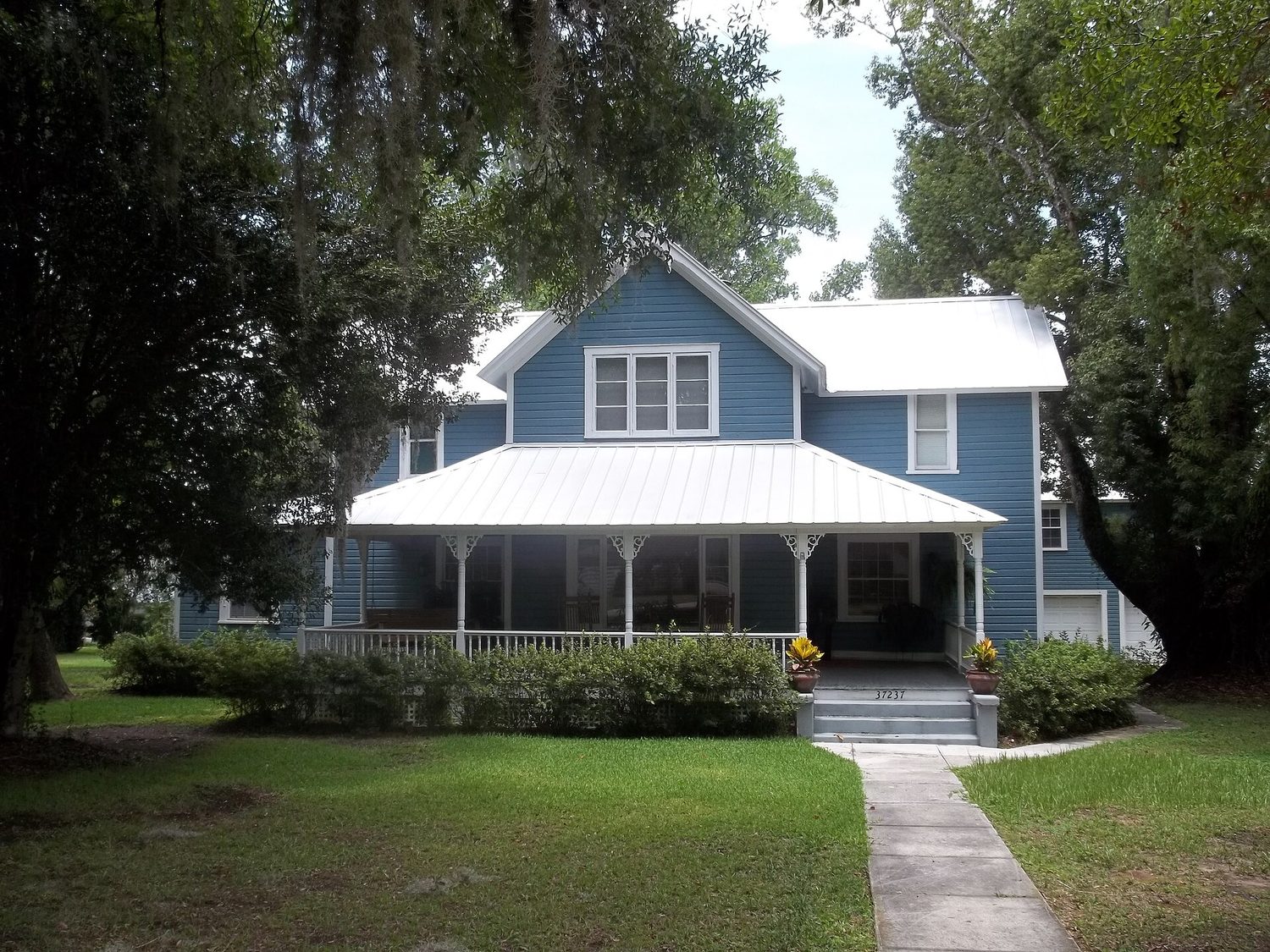
The Name Is a Mistake
Dade City is named for US Army Major Francis L. Dade, killed in the battle that opened the Second Seminole War. The town took his name, and the name stuck. But the kumquat—the small, sour-sweet citrus that looks like a miniature orange and is eaten whole, peel and all—is what put this place on the map. Most of the country has never eaten one. Most of the country couldn't tell you what one is. Here, it gets a festival.
The town itself predates the fruit's fame. The Hatton post office became the Dade City post office on 18 December 1884, and the town reincorporated as a city on 5 June 1889. Pasco County was created in 1887, and Dade City became its seat. That makes it a county seat for over 130 years, a fact that matters more to locals than any citrus.
The Kumquat Festival Isn't a Gimmick
It's easy to assume a festival built around an obscure fruit is a novelty act. It isn't. The Kumquat Festival is held each January in downtown Dade City and draws tens of thousands of people. That's a lot of visitors for a town of 7,570 residents. The star is kumquat pie, a Pasco County speciality, alongside kumquat jelly, butter and the fresh fruit itself. The fruit grows here in quantity, and the town built its annual festival around it. That's not a gimmick; that's an identity.
The festival is a genuine crowd-puller, and it's worth understanding why. Kumquats aren't like oranges or grapefruit. You don't peel them. You eat the whole thing, and the peel is the sweet part. The inside is sour. It's a strange, bracing experience, and it's exactly the kind of thing a small town can claim as its own. Most places don't have a fruit they can call theirs. Dade City does.
The Numbers Tell a Story
The census figures for Dade City are revealing. The median age is 42.6 years, which is older than the state average. The median household income is 63,041 dollars, and the median home value is 211,900 dollars. Median gross rent is 1,002 dollars. Unemployment sits at 8.6 percent, which is higher than the national average. Only 23.4 percent of residents hold a bachelor's degree or higher.
The housing numbers are more interesting. There are 3,213 total housing units, and 464 of them are vacant. That's a vacancy rate of about 14 percent. Of those units, 104 are held for seasonal or recreational use. That's a small number, but it tells you something: this isn't a vacation town. It's a working town with a historic core, and the people who live here tend to stay.
The Courthouse Square Is the Center
The courthouse square is the heart of Dade City. It's home to the Dade City Cruise-In car show, a regular gathering that brings out classic cars and the people who love them. The square is also where the Kumquat Festival happens, and it's the kind of place where you can feel the town's history without reading a plaque.
Just outside the square, the Pioneer Florida Museum opened on Labor Day 1975. It holds a 1913 locomotive, a Methodist church, a pre-Civil War house, an old school and a train depot. That's a serious collection of local history, and it's the kind of place that rewards a slow visit. You can see how people lived here before the kumquats became famous.
What People Get Wrong
The biggest misconception about Dade City is that it's a quaint, sleepy town with a quirky festival. It's not sleepy. It's a county seat with a working economy and a housing stock that includes a significant number of vacant units. The festival is real, and it's big, but it's not the whole story.
Another misconception is that the kumquat is a gimmick. It isn't. The fruit grows here in quantity, and the town built its annual festival around it. That's not marketing; that's agriculture. The kumquat is a genuine local product, and the festival is a genuine local celebration.
Why It Matters
Dade City is a town of 7,570 people, and it has a festival that draws tens of thousands. That's a remarkable ratio. It means the town knows how to put on a show, and it means the kumquat has real cultural weight here. You don't get that from a marketing campaign. You get that from a fruit that people actually grow, eat and sell.
The town also has a history that goes back further than the fruit. The post office became Dade City in 1884, the county was created in 1887, and the city was reincorporated in 1889. That's a long history, and it's visible in the courthouse square and the Pioneer Florida Museum.
The Bottom Line
Dade City isn't a hidden gem. It's a county seat with a fruit festival, and that's enough. The kumquat is genuinely obscure, and the town has built its identity around it. That's not a mistake. That's a choice, and it's a good one.
What people get wrong about Dade City is that they think it's a novelty. It's not. It's a real town with real history, a real economy and a real fruit. The festival is the draw, but the town is the reason to stay.
Common questions
- What is a kumquat?
- A kumquat is a small citrus fruit you eat whole—skin and all—unlike an orange. It's tart and sweet at once. Most Americans have never tried one, but Dade City grows them in quantity and celebrates them with a festival each January.
- When is the Kumquat Festival?
- It's held each January in downtown Dade City, drawing tens of thousands. The star is kumquat pie, a Pasco County specialty, along with kumquat jelly, butter, and the fresh fruit itself. Exact dates vary, so check the festival's schedule.
- How did Dade City get its name?
- The city is named for US Army Major Francis L. Dade, who was killed in the battle that opened the Second Seminole War. The town was originally Hatton's post office, renamed Dade City's post office on December 18, 1884, and reincorporated as a city on June 5, 1889.
- What is there to see in Dade City besides the festival?
- Visit the Pioneer Florida Museum, opened Labor Day 1975, with a 1913 locomotive, a Methodist church, a pre-Civil War house, an old school, and a train depot. Also, the courthouse square hosts the Dade City Cruise-In car show.
- Is Dade City a good place to live or just visit?
- It's a small city of 7,570 people with a median age of 42.6. Median home value is $211,900 and median gross rent is $1,002. About 23.4% have a bachelor's degree or higher. It's a working town—unemployment is 8.6%—not a resort.
- What are some nearby towns for day trips?
- Clermont (35 miles) has Pig on the Pond; Mount Dora (50 miles) hosts an arts festival and craft fair; Altamonte Springs (59 miles) has Red Hot & Boom; Sanford (70 miles) has Sanford Porchfest; Oviedo (73 miles) has Great Day in the Country.
Every business named above is one we hold a listing for, and every date traces to a source on our sources page. We do not describe menus, interiors or service we have not verified. Details change — confirm before you travel.