Guides · Dade City, Florida
The Best Time of Year to Visit Dade City
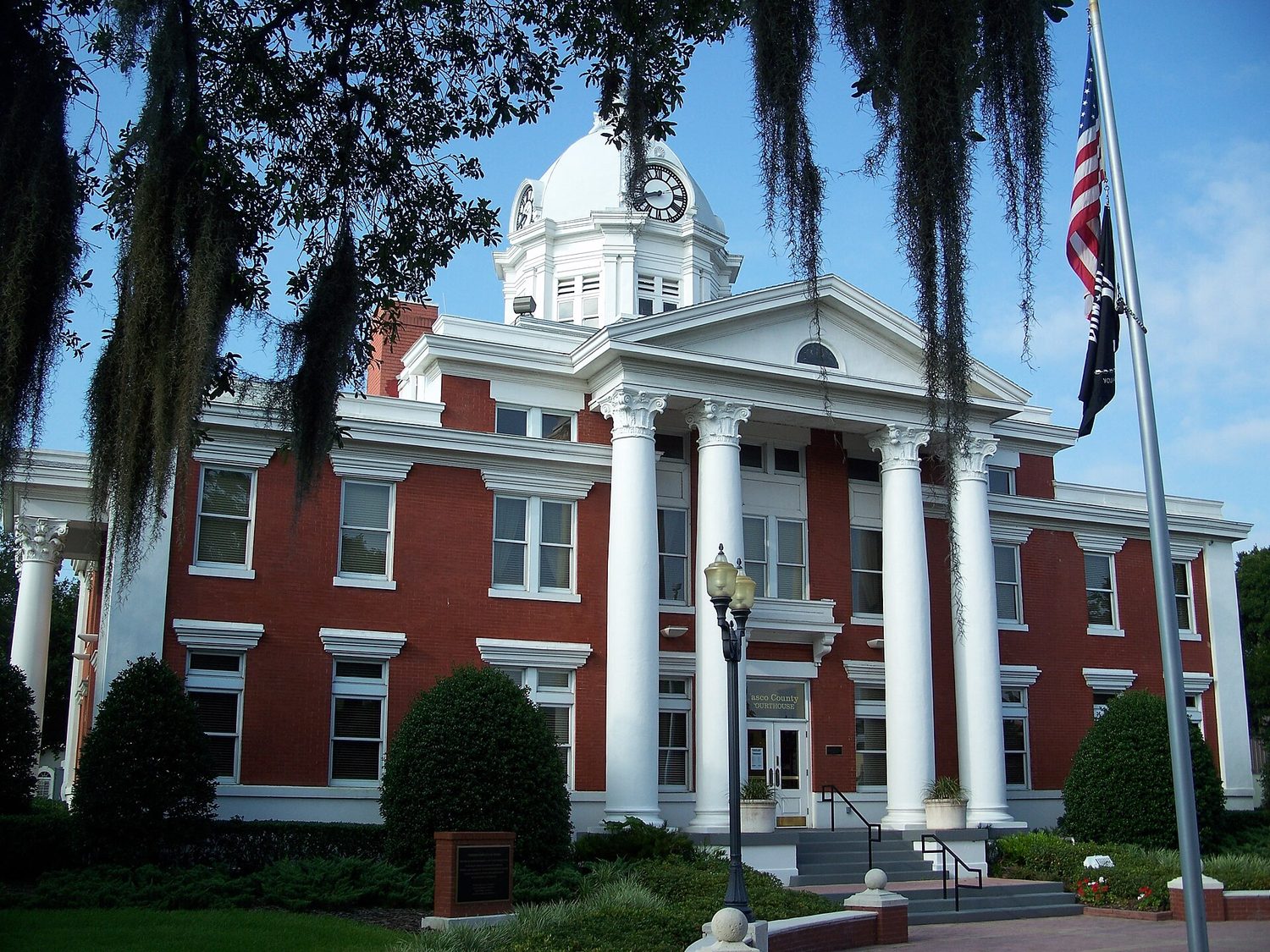
The best time to visit Dade City is late January, when the town’s most famous crop takes over the courthouse square and the streets around it.
The Fruit First
Kumquats are not oranges. They are small, oval, and you eat the peel. The skin is sweet, the flesh is sour, and the whole thing fits in a mouthful. Most of the country has never tried one. Dade City grows them in quantity, and every January the town throws a festival for the fruit.
The Kumquat Festival draws tens of thousands of people into downtown. That is a lot of visitors for a city of 7,570. The star is kumquat pie, a Pasco County speciality, alongside kumquat jelly, butter and the fresh fruit itself. If you have never had a kumquat, this is the place to fix that.
January is also the right season for the fruit. The kumquat harvest peaks in winter, which is why the festival sits at the start of the year. The timing is not arbitrary; it follows the crop.
Why January Works
The weather in west-central Florida in late January is mild. You are not fighting summer humidity or afternoon thunderstorms. You are also not fighting the peak snowbird crowds of February and March, though they are not far behind.
The festival is a one-day event, but the town is small enough that a weekend visit makes sense. You can see the courthouse square, walk the historic blocks, and still have time to eat more than one slice of pie.
There is a second reason to come in January: the town’s history is on display year-round, but the festival crowd makes it feel alive. The courthouse square is the anchor. It is also home to the Dade City Cruise-In car show, a regular gathering that brings vintage cars to the same streets the festival uses.
The History Behind the Name
Dade City did not start as Dade City. It started as a post office called Hatton. On 18 December 1884, the Hatton post office became the Dade City post office. The town reincorporated as a city on 5 June 1889, and it became the seat of Pasco County when the county was created in 1887.
The name honors US Army Major Francis L. Dade, who was killed in the battle that opened the Second Seminole War. That is a heavy origin for a town known for a sweet-sour citrus fruit. Dade City carries both.
The Pioneer Florida Museum opened on Labor Day 1975. It holds a 1913 locomotive, a Methodist church, a pre-Civil War house, an old school and a train depot. If you are coming for the festival, the museum is a short drive from the downtown crowd and a quieter way to spend the rest of the day.
The Numbers Say Something
Dade City is not a wealthy suburb. The median household income is 63,041 dollars. The median home value is 211,900 dollars. The median gross rent is 1,002 dollars. The unemployment rate is 8.6 percent.
Only 23.4 percent of residents hold a bachelor’s degree or higher. The median age is 42.6 years. The population is 7,570 people.
The housing stock tells a story too. There are 3,213 total housing units. Of those, 464 are vacant. Only 104 are held for seasonal or recreational use. That last number matters. This is not a vacation-rental town. The people who live here mostly live here all year.
So when tens of thousands of visitors show up for the Kumquat Festival, they are not blending into a crowd of tourists. They are the crowd. The town swells, the pie runs out, and then it goes quiet again.
The Case for Other Seasons
January is the best answer, but not the only one. Spring is pleasant and green. Fall brings cooler nights and fewer crowds. Summer is hot and humid, and the town slows down.
The festival is the one time of year when Dade City becomes a destination for people who have never heard of the fruit. That is the point. The town built its annual festival around a citrus fruit most of the country has never eaten. It works because the fruit is genuinely obscure. You cannot get this experience in Orlando or Tampa.
Come for the kumquats. Stay for the locomotive and the old courthouse. Leave with a jar of jelly and a better understanding of why a small Florida town named itself after a soldier who died in a war that most Americans have forgotten.
January is the answer. The fruit is ready, the town is dressed up, and the pie is hot.
Every business named above is one we hold a listing for, and every date traces to a source on our sources page. We do not describe menus, interiors or service we have not verified. Details change — confirm before you travel.