Guides · Dade City, Florida
Dade City Weather: Season-by-Season Guide
Dade City’s weather is best read through its calendar: a winter built around a citrus fruit most of the country has never tasted, a mild spring for car shows, a brutal summer that empties the streets by noon, and a fall that hands the town back to its residents.
Winter in Dade City: Kumquat Season and the Festival
January is Dade City’s busiest month, and the reason is small, orange, and sour. Kumquats thrive here because winter brings the cold snaps the fruit needs—chilly nights in the 40s and 50s, with daytime highs hovering in the 60s and low 70s. That’s the sweet spot for the tart little citrus, and the town celebrates it with the Kumquat Festival each January.
Tens of thousands of visitors descend on downtown for the event. The star is kumquat pie, a Pasco County specialty, alongside kumquat jelly, butter, and the fresh fruit itself. For most attendees, this is the first time they’ve eaten a kumquat—the fruit is eaten whole, peel and all, and it’s an acquired taste that the festival has turned into a civic identity.
Packing for January is about layers. Mornings can start in the 40s and climb into the 70s by afternoon. A light jacket or fleece you can shed is the right call. Rain is possible but usually brief. Expect crowds, and expect the town’s small size to feel smaller—lodging books up fast.
Spring in Dade City: Citrus Blooms and Car Shows
Spring is Dade City at its most pleasant. Temperatures settle into the 70s and low 80s, humidity stays manageable, and the citrus groves put out a faint, sweet bloom that hangs in the air. This is the season for being outdoors without thinking too hard about it.
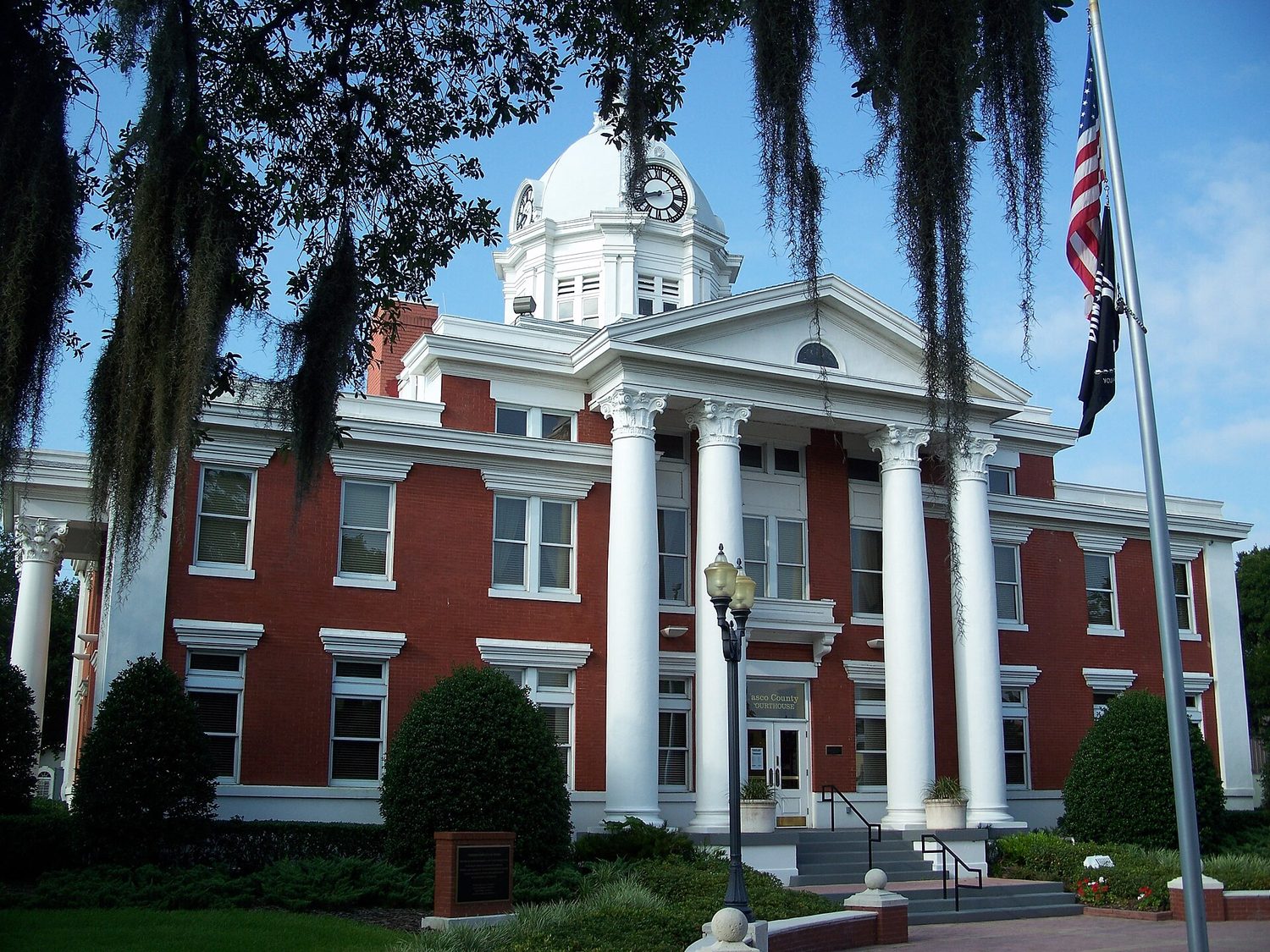
The courthouse square, the historic heart of town, hosts the Dade City Cruise-In car show during the milder months. Classic cars line the streets around the old courthouse, and the weather cooperates in a way it rarely does later in the year. Spring afternoons can warm up, but they stay bearable, and evenings cool off enough to make a stroll around the square comfortable.
Spring is also the season for road trips to nearby festivals. Clermont is 35 miles away for Pig on the Pond, and Mount Dora, 50 miles off, runs its Arts Festival and Craft Fair in the same mild window. Pack a light jacket for cool mornings and comfortable walking shoes—you’ll be on your feet more than you expect.
Summer in Dade City: Heat, Humidity, and Thunderstorms
Summer in Dade City is not subtle. Afternoon highs regularly push into the low 90s, but the humidity is the real story—dew points in the 70s make the air feel thick and heavy. By late morning, the heat is already noticeable. By early afternoon, it’s the kind of heat that makes you rethink outdoor plans.
The saving grace is the daily rhythm. Mornings are the best time to do anything outside, because by mid-afternoon, thunderstorms roll in with reliable frequency. These aren’t gentle drizzles—they’re sudden, loud, and capable of dumping an inch of rain in under an hour. Locals plan around them. Tourists who don’t end up soaked.
Summer is the quiet season. The festival crowds are gone, and the town slows down. That has its own appeal if you want empty streets and a genuine sense of small-town pace, but it means adjusting your schedule to the weather. Get out early, be inside by early afternoon, and wait for the evening to cool down to something tolerable.
Fall in Dade City: Mild Weather Before the Kumquats Return
Fall is the reward for surviving summer. Humidity drops, temperatures ease back into the 70s and 80s, and the afternoon thunderstorm pattern fades. The town breathes out. The festival season is still a few months off, but the weather is the best of the year for exploring.
This is a good window for day trips to nearby towns. Altamonte Springs, 59 miles away, hosts Red Hot & Boom, and Sanford, 70 miles out, runs Porchfest in the fall. Oviedo, 73 miles away, holds Great Day in the Country around the same time. The drives are short, the weather cooperates, and you can return to Dade City in the evening when the air has turned crisp.
Fall is also when the kumquat groves start gearing up for the main event. The fruit won’t be ready until winter, but the season sets the stage. Pack light layers for cooler mornings and a jacket for evenings—fall nights can dip into the 50s.
Packing and Planning: A Season-by-Season Cheat Sheet
The weather here isn’t complicated, but it does require planning around the extremes. Winter is cool and busy. Spring is mild and pleasant. Summer is hot, humid, and stormy. Fall is the calm before the kumquats return.
For January, pack layers, a light rain jacket, and comfortable shoes for festival walking. For July, pack for heat and sudden downpours—light clothing, a hat, sunscreen, and a willingness to be inside by early afternoon. The rest of the year, it’s mostly about checking the forecast and adjusting.
| Season | Typical Weather | What to Pack |
|---|---|---|
| Winter (Dec–Feb) | Cool mornings in the 40s, afternoons in the 60s–70s, occasional rain | Layers, light jacket, rain shell, comfortable walking shoes |
| Spring (Mar–May) | Mild 70s–80s, low humidity, pleasant evenings | Light jacket for mornings, walking shoes, sunscreen |
| Summer (Jun–Aug) | Hot and humid, highs in the low 90s, afternoon thunderstorms | Light clothing, hat, sunscreen, rain gear, indoor backup plans |
| Fall (Sep–Nov) | Cooling 70s–80s, lower humidity, storm pattern fades | Light layers, jacket for evenings, comfortable day-trip shoes |
The best time to visit for the Kumquat Festival is January, but it comes with a price: crowds, packed lodging, and the need to book far ahead. Any other time of year, you get the town itself—a courthouse square, a quiet pace, and a weather pattern that rewards early risers and punishes those who ignore the afternoon sky.
Common questions
- What is the weather like in Dade City during the Kumquat Festival in January?
- January in Dade City is typically mild and dry, with cooler mornings and pleasant afternoons. It's the heart of the kumquat season, so expect sunny days perfect for strolling the festival. Bring a light jacket for the morning chill.
- When is the best time to visit Dade City for good weather?
- The best time is from November through April, when temperatures are comfortable and humidity is low. This avoids the hot, humid summer months. The Kumquat Festival in January is a highlight, but any winter or early spring visit offers ideal conditions.
- How hot does it get in Dade City in the summer?
- Summers in Dade City are hot and humid, typical of central Florida, with frequent afternoon thunderstorms. Highs often reach the low 90s Fahrenheit. If you visit then, plan outdoor activities for the morning and expect rain in the afternoons.
- Does Dade City get cold in the winter?
- Winters are mild, not cold. Daytime highs usually reach the 70s, but nights can drop into the 40s or even 30s. Frost is possible but rare. A light jacket or sweater is usually enough, especially for the January Kumquat Festival.
- What's the rainy season in Dade City?
- The rainy season runs from June through September, with afternoon thunderstorms almost daily. These are usually brief but heavy. The rest of the year is drier, making fall through spring the most reliable time for outdoor events and exploring the courthouse square.
Every business named above is one we hold a listing for, and every date traces to a source on our sources page. We do not describe menus, interiors or service we have not verified. Details change — confirm before you travel.